Mine Rehabilitation Landform Design for Stable and Sustainable Landscapes
Landform planning and design services to support mining area rehabilitation through contour arrangement, slope stabilization, surface water management, erosion control, growth media preparation, and integration with revegetation plans.
Designing rehabilitation landforms by considering landform geometry, stability, water flow, erosion, and the intended final land use.
The design approach begins with an understanding of existing site conditions and is directed toward creating more stable landforms that are compatible with revegetation.
Mine Rehabilitation Begins with Landform Design
Landform design is an important part of rehabilitation planning because landform shape and configuration influence stability, surface water flow, erosion potential, overburden and cover material management, and site readiness for revegetation.
Scope of Mine Rehabilitation Landform Design
Our services cover site condition assessment, landform geometry development, surface water management, erosion control, growth media preparation, and design evaluation to support successful rehabilitation and revegetation.
Site Investigation and Condition Assessment
Understanding the initial site conditions as the basis for developing the rehabilitation landform design concept.
- Topography and landform characteristics
- Slope conditions
- Soil and cover material conditions
- Surface water flow systems
- Erosion and sedimentation potential
Landform Concept and Geometry
Developing landform concepts that consider stability, drainage, erosion, and the intended rehabilitation outcomes.
- Landform configuration
- Contour arrangement
- Slope geometry
- Benches or terraces as required by the design
- Integration with existing site conditions
Surface Water Management
Designing runoff management approaches to help reduce flow concentration and erosion risks across rehabilitation landforms.
- Flow direction analysis
- Surface drainage
- Diversion channels
- Runoff control
- Outlet protection
Erosion and Sedimentation Control
Integrating erosion control strategies into the landform design from the planning stage.
- Identification of erosion-prone areas
- Surface erosion control
- Sedimentation control
- Land surface protection
- Integration of vegetative measures
Growth Media Preparation and Revegetation
Connecting landform design with growth media requirements and revegetation strategies so that the land is prepared for vegetation recovery.
- Topsoil placement
- Growth media preparation
- Cover crops
- Plant species selection
- Design integration with revegetation
Design Evaluation and Optimization
Evaluating the design against field conditions, control requirements, and rehabilitation objectives before implementation.
- Evaluation of design alternatives
- Erosion risk evaluation
- Design adjustments based on field conditions
- Integration with reclamation plans
- Technical recommendations
Designing landforms that are stable, controlled, and ready for revegetation.
Mine rehabilitation landform design focuses not only on the final surface shape. Planning must consider the relationship between topography, slopes, water flow, soil or material characteristics, erosion potential, and vegetation requirements.
A Systematic Landform Design Process
The design process is based on actual site data and rehabilitation requirements, allowing technical decisions to be traced from initial site conditions through to the final design.
Assessment
Collecting and evaluating information on topography, slope conditions, materials, soils, drainage, erosion, and existing site conditions.
Conceptualization
Defining the landform concept, slope configuration, flow direction, erosion control strategy, and growth media requirements.
Technical Design
Developing a technical design that integrates landform geometry, surface water management, stabilization, and rehabilitation strategies.
Evaluation
Evaluating design suitability against field conditions, erosion risks, revegetation requirements, and the intended rehabilitation outcomes.
Technical Approach to Landform Design
Landform design may incorporate topographic analysis, surface hydrology, erosion assessment, material characteristics, and revegetation requirements according to project-specific conditions.
Topographic and Geometric Analysis
Understanding existing landform conditions and developing landform configurations appropriate for rehabilitation requirements.
- Elevation analysis
- Contours and slopes
- Slope geometry
- Land surface configuration
- Integration with existing conditions
Drainage and Runoff Management
Integrating surface water management to reduce potential flow concentration and erosion across rehabilitation areas.
- Surface flow direction
- Drainage channels
- Runoff diversion
- Outlet protection
- Sedimentation control
Erosion and Surface Stabilization
Combining landform design with erosion control measures and surface protection according to site requirements.
- Erosion risk identification
- Erosion control
- Surface protection
- Soil conservation techniques
- Vegetative measures
Integration with Revegetation
Ensuring that the landform design supports growth media preparation and revegetation implementation in accordance with rehabilitation objectives.
- Topsoil placement
- Growth media
- Cover crops
- Plant species
- Vegetation maintenance
Landform Design that considers site conditions and final land use.
Effective landform design should connect existing conditions with stability requirements, water management, erosion control, and vegetation recovery in an integrated approach.
Design concepts are developed based on actual topographic, material, soil, water, and site conditions.
Landform geometry and configuration are considered together with stability and surface management requirements.
Runoff management and erosion risks are incorporated into the design considerations from the early stages.
Landforms are designed to support growth media preparation and revegetation strategies.
Mine Rehabilitation Landform Design
Services can be tailored to the project stage, site conditions, material characteristics, level of disturbance, reclamation requirements, and intended final land use.
- Existing site condition assessment
- Topographic and slope analysis
- Rehabilitation landform conceptualization
- Slope geometry and configuration design
- Surface water management
- Erosion and sedimentation control
- Growth media and topsoil preparation
- Integration with revegetation
- Design evaluation and optimization
Design Integrated with Mine Reclamation and Closure
Landform design planning can be incorporated into reclamation and mine closure frameworks in accordance with applicable requirements and approved environmental documents.
Reclamation and Mine Closure
Government Regulation No. 78 of 2010 regulates reclamation and mine closure and emphasizes the importance of appropriate reclamation activities integrated with mining operations.
- Reclamation planning
- Reclamation implementation
- Mine closure activities
- Reclamation maintenance
- Monitoring
Mining Implementation Guidelines
Minister of Energy and Mineral Resources Decree No. 1827 K/30/MEM/2018 provides guidelines for reclamation and mine closure activities in mineral and coal mining operations.
- Reclamation plans
- Mine closure plans
- Reclamation implementation
- Success criteria
- Monitoring and maintenance
Integration with Project Documents
Technical designs should be aligned with applicable data, approvals, reclamation plans, environmental documents, and actual project conditions.
- Topographic data
- Reclamation plans
- Environmental documents
- Field conditions
- Final land use objectives
Success Criteria
Design evaluation considers stability requirements, erosion control, revegetation success, and the project-specific success criteria established for the rehabilitation program.
- Area stability
- Erosion control
- Vegetation condition
- Maintenance
- Monitoring
Complete Indonesian Green Mining Services
Technical and environmental solutions supporting landform design, rehabilitation, erosion control, reclamation, as well as environmental management and monitoring.
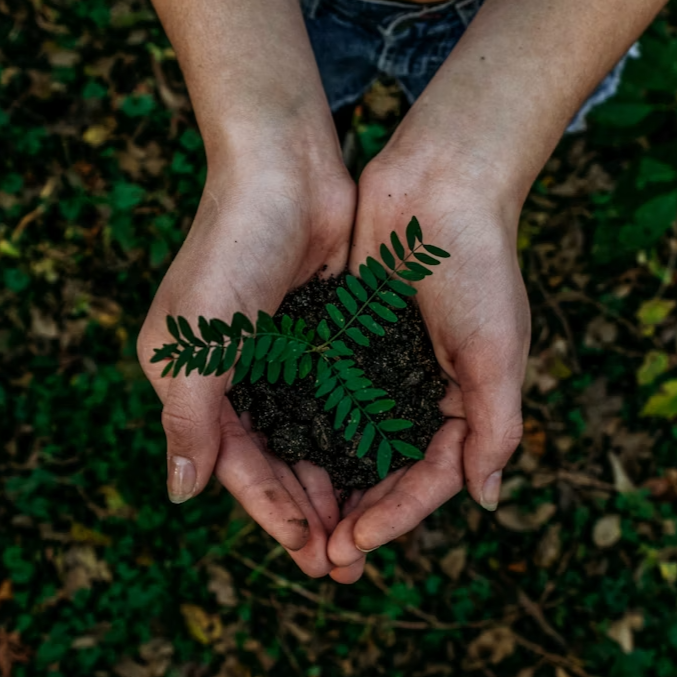
Development of rehabilitation landform concepts and designs considering topographic conditions, land geometry, stability, drainage, erosion control, and revegetation requirements.
CONSULTATION →
Conducting field observations and trials to obtain actual site data as a basis for evaluating rehabilitation designs and strategies.
CONSULTATION →
Assessing soil characteristics related to erosion susceptibility as one of the foundations for determining landform design and surface erosion control strategies.
CONSULTATION →
Modelling to evaluate potential erosion and changes in landform characteristics, allowing design alternatives to be assessed in a more measurable manner.
CONSULTATION →
Testing surface or material characteristics to help understand erosion-triggering conditions and support the selection of appropriate control measures.
CONSULTATION →
Monitoring environmental conditions and rehabilitation area development to support evaluation of landform preparation and design outcomes.
CONSULTATION →
Supplying and planting vetiver as one of the vegetative options for suitable sites to help protect soil surfaces and control erosion.
CONSULTATION →
Planning and management of mining areas as part of the closure process, including securing, stabilization, and land restoration in accordance with the activity plan.
CONSULTATION →
Designing and implementing technical and vegetative measures to help reduce soil loss and maintain landform surface stability.
CONSULTATION →
Planning vegetation cover restoration integrated with landform conditions, growing media, rehabilitation objectives, and site characteristics.
CONSULTATION →
Rehabilitation of degraded land through integrated landform design, stabilization, erosion control, growing media preparation, revegetation, and maintenance.
CONSULTATION →
Technical support for the planning and implementation of reclamation activities to help restore land functions according to the reclamation plan and site conditions.
CONSULTATION →
Rehabilitation and soil and water conservation activities that support the recovery of watershed functions associated with project areas.
CONSULTATION →
Consulting on land conditions, erosion risks, landform stability, rehabilitation requirements, and design integration with the intended final land use.
CONSULTATION →
Environmental management and monitoring support to evaluate rehabilitation area conditions, the effectiveness of control measures, and land development.
CONSULTATION →Have a Mine Site That Requires Landform Design?
Discuss your project's topography, landform geometry, erosion risks, surface water management, and rehabilitation requirements with Indonesian Green Mining to determine an appropriate design approach.